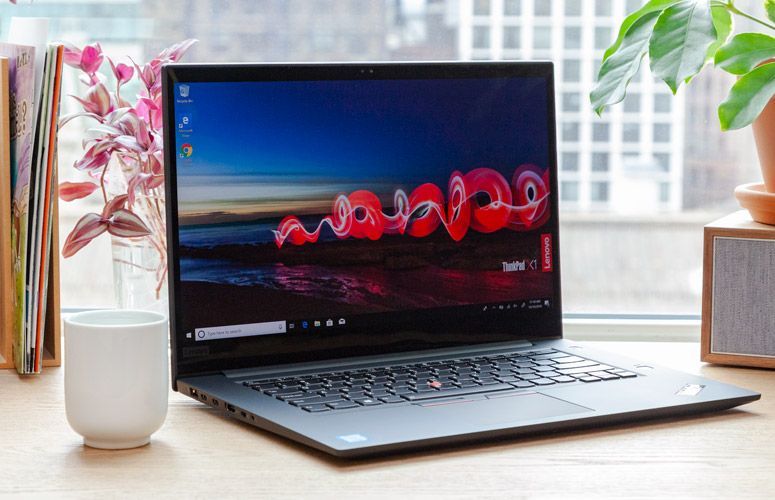
Unleashing Creativity: Choosing the Best Laptops For Video Editing
In today's content-driven world, video editing has transitioned from exclusive Hollywood bays to accessible personal workstations. Whether you're a budding enthusiast or a seasoned professional, the right laptop is your most powerful tool. But navigating the vast sea of options can feel daunting, particularly when demanding tasks like rendering 4K footage and intricate color grading are on your daily agenda. The good news? You don't necessarily need the market's most expensive machine, but rather one meticulously chosen for its blend of power, precision, and practical features. This article will guide you through the essentials, focusing on what truly makes a laptop excel for professional video editing, including the game-changing impact of stunning 4K OLED displays and the importance of fast export capabilities.
The Core Engine: Hardware Specs That Power Your Edits
At the heart of any capable video editing laptop lies its internal components. These are the workhorses that handle everything from scrubbing through timelines to exporting your final masterpiece. Overlooking them means sacrificing precious time and workflow fluidity.
- Processor (CPU): This is the brain of your operation. For video editing, you'll want a multi-core processor with high clock speeds. Modern Intel Core i7/i9 (12th Gen or newer) or AMD Ryzen 7/9 (6000 series or newer) are excellent starting points. Apple's M-series chips (M1, M2, M3, and the anticipated M5 Pro in the 2026 MacBook Pro) have redefined performance and energy efficiency for creative tasks, offering exceptional raw power for encoding and decoding video. More cores mean faster rendering times and smoother handling of complex timelines with multiple tracks and effects.
- Graphics Card (GPU): While the CPU handles many editing tasks, a discrete GPU is crucial for accelerating effects, color grading, real-time playback, and rendering, especially with modern NLEs (Non-Linear Editors) like Adobe Premiere Pro, DaVinci Resolve, and Final Cut Pro. Look for NVIDIA GeForce RTX (30-series or 40-series) or AMD Radeon RX graphics. Integrated graphics, while improving, simply won't cut it for professional-grade video editing. This is also where some high-end gaming laptops might seem appealing, but as we'll discuss, they often fall short in other critical areas like display quality.
- RAM (Memory): Think of RAM as your laptop's short-term memory. The more you have, the more applications and large files your system can juggle simultaneously without bogging down. For 1080p editing, 16GB is a bare minimum, but for 4K workflows, 32GB is highly recommended. Serious professionals working with high-resolution raw footage or complex motion graphics should consider 64GB or more.
- Storage (SSD): Speed is paramount here. A Solid State Drive (SSD), particularly an NVMe SSD, offers dramatically faster read/write speeds compared to traditional HDDs. This translates to quicker boot times, faster application loading, and — crucially — smooth playback of high-resolution video files directly from your drive. Aim for at least 1TB, but 2TB or more is ideal, especially if you store projects locally. For archiving and larger media libraries, external drives are often used, which brings us to the importance of connectivity.
For more detailed insights into balancing these specifications with your budget and workflow, explore our guide on How to Pick the Best Video Editing Laptop: Specs & Displays.
The Visual Edge: Why 4K OLED Displays Are Non-Negotiable
For video editors, the display isn't just a window to your work; it's a critical tool for accuracy. This is where 4K OLED panels truly shine, making them a cornerstone for best laptops for video editing.
- Stunning 4K Resolution: A 3840x2160 (or higher) resolution display allows you to see your 4K footage at native resolution, providing unparalleled detail and sharpness. This is essential for precise editing, color grading, and ensuring your final output looks exactly as intended.
- OLED Technology: Unlike traditional LCDs, OLED pixels emit their own light, allowing for true blacks and infinite contrast ratios. This means darker darks, brighter brights, and incredible depth to your images, making subtle color nuances much easier to discern. For professional creatives, this level of contrast and color fidelity is invaluable.
- Exceptional Color Gamut and Accuracy: Professional displays should cover a wide color gamut, such as 100% DCI-P3 or Adobe RGB. This ensures that the colors you see on screen are accurate and consistent with industry standards, preventing nasty surprises when your video is viewed on different devices. Laptops like the Asus ProArt P16 boast incredible color gamut and deep contrast, making them an excellent choice for professionals.
- Aspect Ratio: A taller 16:10 aspect ratio, common in many professional laptops including the Asus ProArt P16, offers more vertical screen real estate. This is a subtle but significant advantage for video editors, as it allows more room for timelines, effect panels, and bins without constant scrolling, boosting multitasking and productivity.
While some gaming laptops might offer high refresh rates, their color accuracy and contrast often fall short of what a professional video editor requires. Investing in a laptop with a high-quality, color-accurate display like a 4K OLED will dramatically improve your workflow and the quality of your output.
Connectivity & Portability: Beyond Raw Power
Power is nothing without practicality. A great video editing laptop must also cater to the realities of a dynamic workflow, which often involves external drives, monitors, and various peripherals.
- Diverse Port Selection: You'll constantly be connecting external SSDs, SD cards from cameras, and external monitors. Look for a machine with a healthy mix of ports.
- USB-C (especially with Thunderbolt 4 or USB 4.0): These are incredibly versatile, offering blazing-fast data transfer speeds (up to 40 Gbps with USB 4.0/Thunderbolt 4), power delivery, and display output. Crucial for connecting high-speed external SSDs for editing directly from.
- USB-A: Still necessary for older peripherals and many external drives.
- HDMI: Essential for connecting to external monitors for an expanded workspace or client review.
- SD Card Reader: A dedicated SD or microSD card reader is an absolute godsend for photographers and videographers, allowing for direct and fast transfer of footage from cameras without needing an external adapter.
- 3.5mm Audio Jack: Often overlooked, but vital for monitoring audio with quality headphones.
- Battery Life: Even with powerful hardware, professional video editors often find themselves working on location or during commutes. A laptop that can last over nine hours on a single charge, like the Asus ProArt P16 or the Apple MacBook Pro, provides immense freedom and ensures you're not tethered to a power outlet. This is particularly impressive given the power-hungry components inside these machines.
- Cooling System: Powerful components generate heat. An efficient cooling system is vital to prevent thermal throttling, which can slow down your CPU and GPU during intense rendering tasks. While the Asus ProArt P16, for instance, offers phenomenal performance, it can run hot under heavier loads – a common trade-off with high-performance components in a compact form factor.
Top Contenders for Professional Video Editors
Drawing from extensive testing and expert reviews, several laptops consistently stand out for their ability to meet the rigorous demands of video editing professionals:
- Apple MacBook Pro (M5 Pro, 2026): Consistently hailed as a standard-setter, the latest MacBook Pro models with Apple's M-series Pro chips offer unparalleled performance, exceptional energy efficiency, and remarkably long battery life. Its Liquid Retina XDR display is renowned for its color accuracy and brightness, making it a top pick for many creatives. While sometimes a bit slower in raw processing tests than some Windows counterparts, its optimized macOS ecosystem and quiet operation make it a dream to work with.
- Lenovo Yoga Pro 9i: A compelling option for those seeking formidable performance without the Apple premium, the Lenovo Yoga Pro 9i has proven its mettle by handling large 4K exports faster than many competitors in tests. It boasts an accurate OLED display and a robust selection of ports, all while offering excellent value. Its balance of power, display quality, and connectivity makes it a strong contender for demanding users.
- Asus ProArt P16: This machine is a phenomenal choice for creative professionals and prosumers who prioritize visual fidelity. Its stunning 16-inch 3840×2400 4K OLED display, with its incredible color gamut and deep contrast, is a standout feature. Coupled with a diverse selection of connectivity options (including crucial USB 4.0 and an SD card reader) and commendable battery life, it delivers a powerful package. While its aesthetic might be on the conservative side and it can run warm under heavy loads, its display alone makes it an excellent choice for professional creatives needing the sharpness of 4K.
Conclusion: Finding Your Perfect Editing Partner
Choosing the best laptops for video editing is about striking a balance between raw power, visual fidelity, practical connectivity, and your budget. Whether you lean towards the optimized ecosystem of an Apple MacBook Pro, the powerful yet value-driven Lenovo Yoga Pro 9i, or the display-centric Asus ProArt P16, the key is to prioritize features that directly impact your workflow. A fast processor, a discrete GPU, ample RAM, and crucially, a high-quality 4K OLED display with accurate colors, coupled with diverse, high-speed ports, will ensure your creative vision is never hampered by your hardware. Invest wisely, and your laptop will become a seamless extension of your artistic process, allowing you to focus on bringing your stories to life with stunning clarity and efficiency.